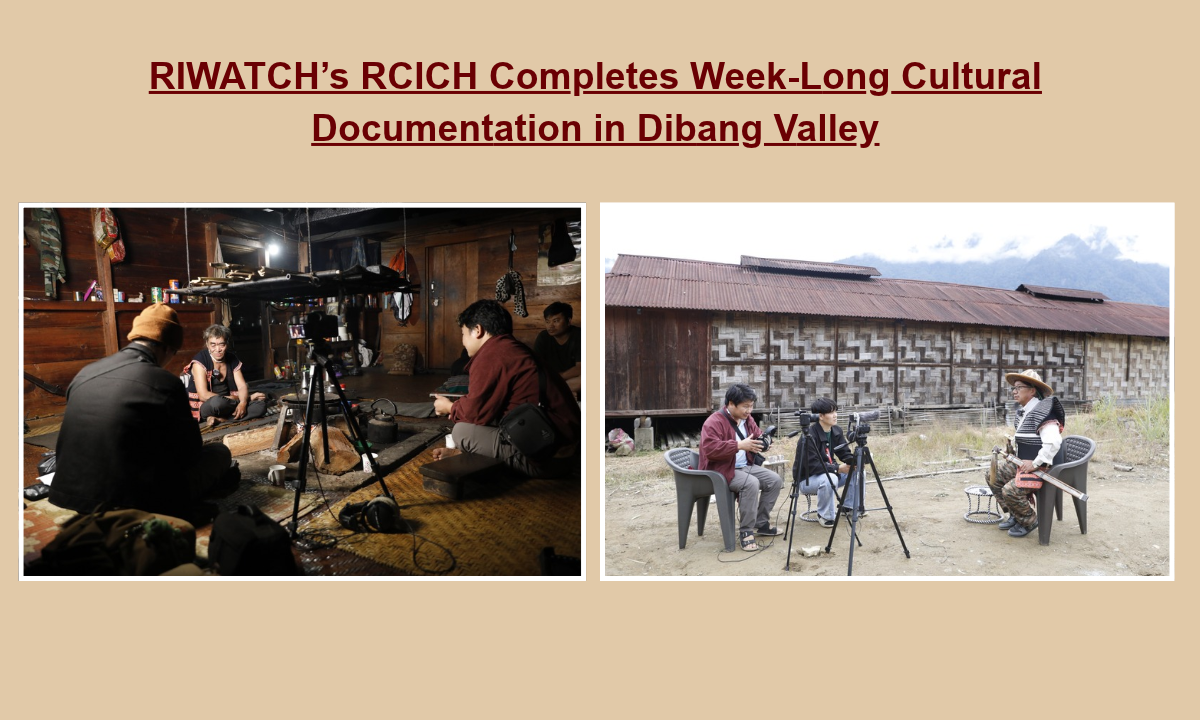
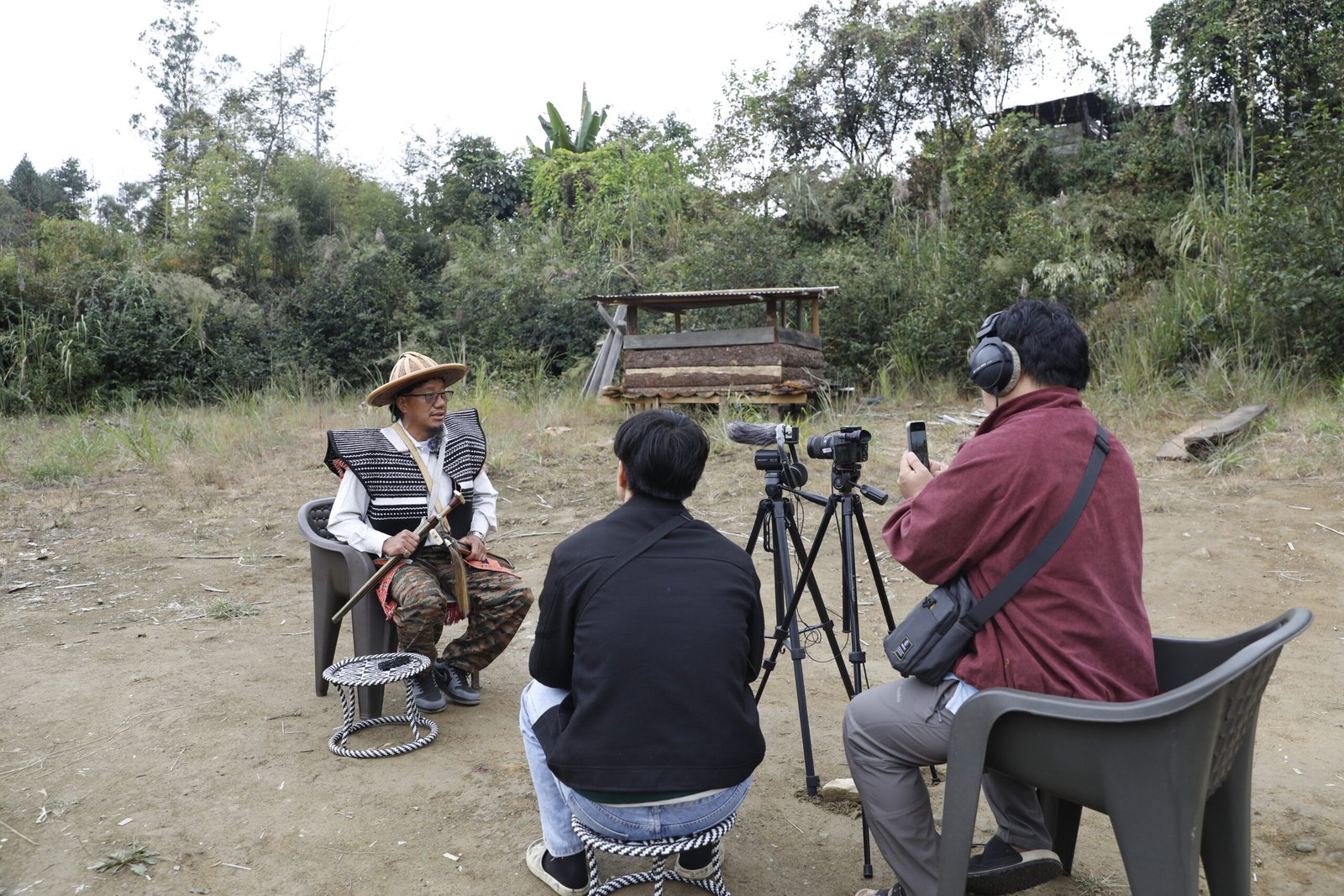
Field documentation highlights the rich cultural heritage of the Idu Mishmi community, the preservation of sacred sites and the role of indigenous communities in maintaining ancestral connections with remote border regions.
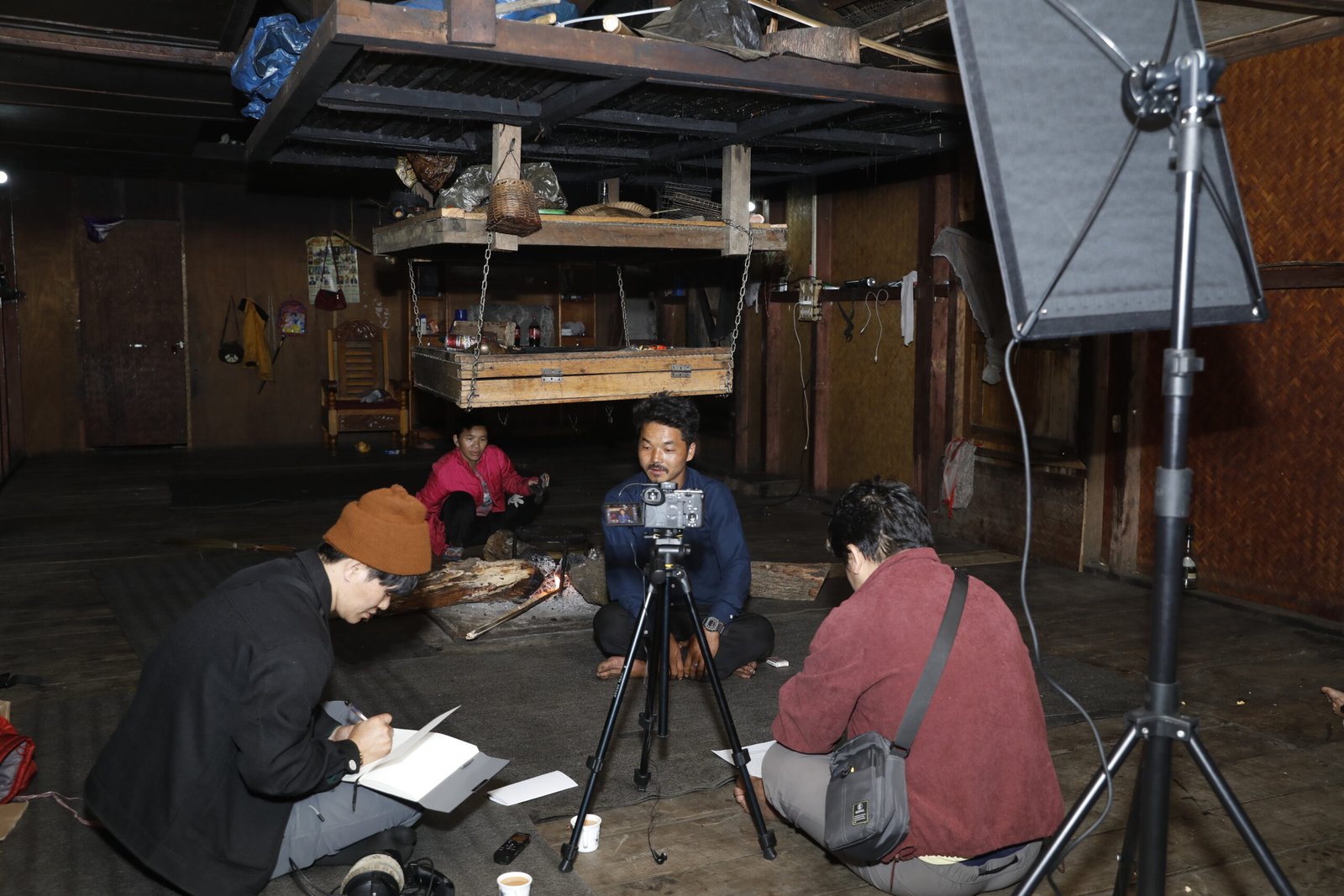
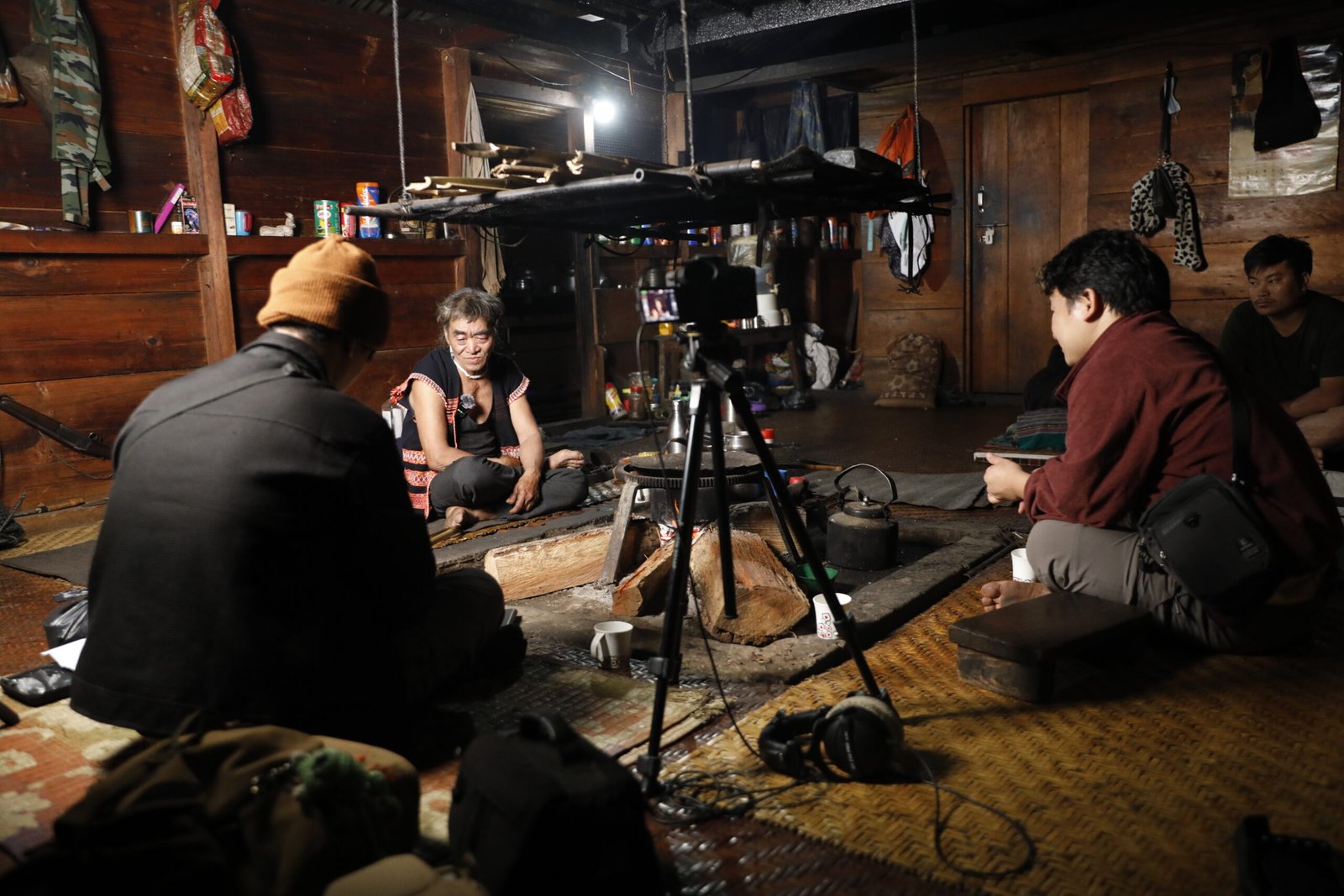
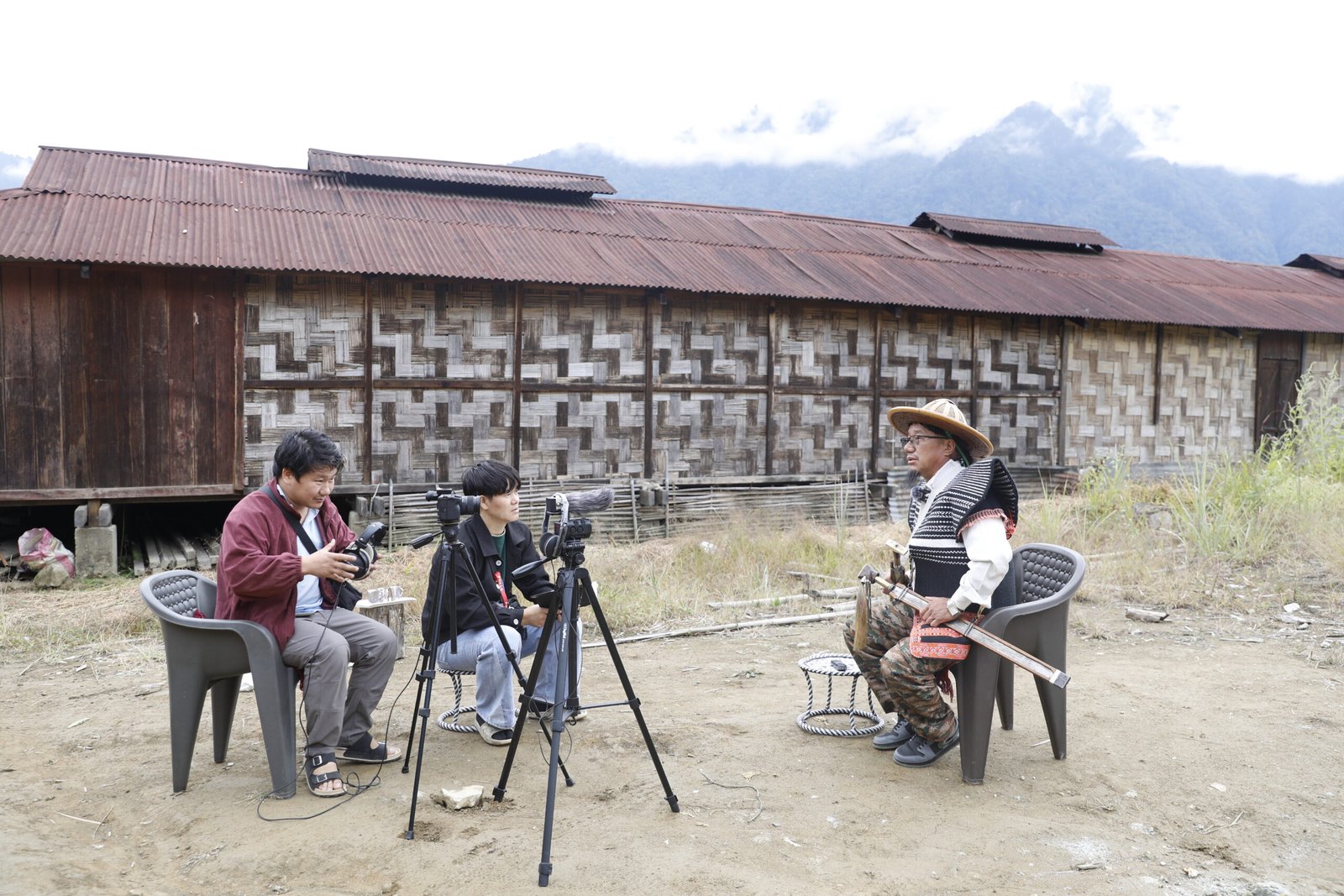
MALINEY, ARUNACHAL PRADESH: The Centre for Intangible Cultural Heritage (RCICH) of the Research Institute of World’s Ancient Traditions, Cultures and Heritage (RIWATCH) has successfully concluded a week-long cultural documentation programme in Dibang Valley district, Arunachal Pradesh. The initiative focused on documenting the traditions, cultural heritage, sacred sites and lived experiences of indigenous communities, particularly the Idu Mishmi community inhabiting remote border regions.
Titled “Tradition and Culture of Border Communities in Dibang Valley District, Arunachal Pradesh,” the documentation programme was conducted from October 31 to November 8, 2026. The research team comprised Miju Mena, Hari Apralo, Research Associate, and Nabu Umbrey, Junior Documentation Officer.
The primary objective of the fieldwork was to document and understand the traditional knowledge, cultural practices and ancestral heritage of the Idu Mishmi community, also known as Kera-Ah, while exploring its historical and contemporary relationships with neighbouring communities and external groups operating in the region.
An important dimension of the study was the relationship between indigenous communities and the armed forces, particularly in the context of social and military defence along India’s international boundary. The documentation explored how local communities, through their continued presence, traditional knowledge and protection of ancestral territories, contribute to the broader social and cultural landscape of remote border regions.
As part of the fieldwork, the research team visited three strategically and culturally significant village locations across the district’s three valleys: Kamuyii village in the Mathu segment, Maliney in the Talo segment, and Acheso (Dambeun) in the Dri segment. These visits provided opportunities to record local narratives, traditional practices and community perspectives on their ancestral lands and cultural identity.
The documentation also highlighted the significance of indigenous cultural sites that have been preserved and protected by the Idu Mishmi community for generations. Among the sites documented were Athu Popu in Maliney, Isiya Abrayi, and Ajada Awa, a sacred rock in the Dri Valley. These sites represent more than physical landmarks; they embody the community’s ancestral memory, spiritual beliefs, cultural identity and enduring relationship with its homeland.
The research team observed that the community has traditionally maintained customary restrictions on access to certain sacred and culturally significant sites. Such practices have played an important role in safeguarding these places and ensuring the continuity of indigenous cultural values and ancestral connections.
The fieldwork further brought attention to the wider significance of indigenous communities in remote border areas. While the armed forces remain primarily responsible for safeguarding the country’s international boundaries, the continued settlement and cultural presence of indigenous communities contribute to maintaining the historical and social continuity of these frontier regions.
Alongside cultural documentation, the team also noted developmental concerns in remote border villages, particularly the gap between sanctioned government welfare schemes and their implementation at the village level. These observations underline the importance of strengthening institutional engagement and ensuring that development initiatives reach communities living in geographically challenging border areas.
Through this initiative, RIWATCH Centre for Intangible Cultural Heritage continues its efforts to document, preserve and promote the living traditions, indigenous knowledge systems and cultural practices of communities across Arunachal Pradesh. The findings of this documentation exercise are expected to contribute to a wider understanding of the cultural heritage of the Idu Mishmi community and the important role of indigenous communities in sustaining the cultural landscape of India’s remote border regions.
News Covered :
Arunachal 24.in : https://arunachal24.in/rcich-concludes-week-long-cultural-documentation-in-dibang-valley/